
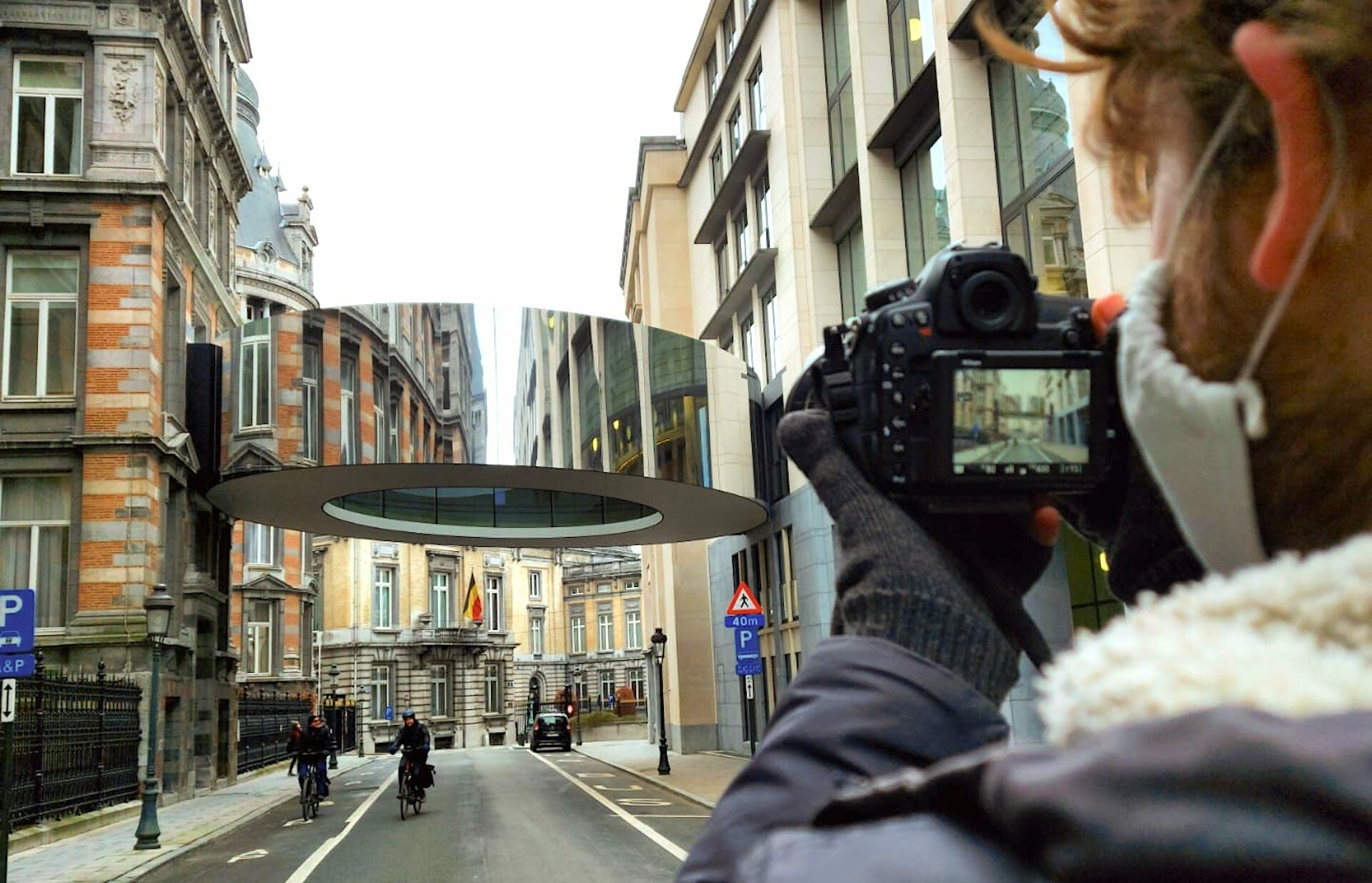
I’ve given myself the impossible task to list and organize different types of photography in one article. It’s going to take a while. So if you don’t see your favorite niches of photography, let me know in the comments or via email at frederic@fredography.be.
This will be a ‘living blogpost.’ One that I will regularly update with new insights and different types of photography.
There are hundreds of types of photography in the world. And every type has its sub-categories that keep branching off in other niches.
For this article, I tried to find general photography types, such as landscape photography, which I will then nuance into subcategories—for example, cityscapes and seascapes.
What counts as a type of photography?

I want to start with clearing somethings up. We are going to discuss the types and niches of photography. For me, a kind of niche is based on the subject you’re photographing.
Portrait photography focuses on portraying people. Landscape photography is all about showing a landscape.
This means things “niches” like smartphone photography and black and white photography aren’t going to be on this list.
They don’t focus on one specific type of photography. You can make smartphone photo’s of an animal or shoot street photography in black and white.
They are sensor-based and not subject-based.
Now that is cleared up, let’s dive into the niches of photography.
Types of nature photography
Nature photography is the first general niche I will discuss in this article. It’s one that I find very interesting.
In general, nature photography is about photographing anything natural. This can be something big, like a vast landscape to something minimal, like a macro shot of a fly’s eyes.
Types of landscape photography

In landscape photography, we aim to show vast pieces of land, sea, city, … Usually, we use a wide-angle for this type of photography. However, nothing stops you from photographing landscapes with a zoom lens.
The fun thing about photographing landscapes is getting to the places and witnessing them.
Natural landscape photography
In general, this means any landscape where human structures are brought to a minimum. Of course, the odd cottage or wall can be an interesting addition to your photo.
Often subjects for this type of photography are meadows, hills, mountains, seas, and woods.
Mountain photography

This one can’t be more simplistic to explain. It’s photos of mountains. Usually, the idea is to photograph the mountain and make it look as impressive as possible.
The people of expert photography have an excellent guide to mountain photography.
Seascape photography
One part of landscapes is, of course, seas. Seas are a daunting subject to take on. They can be smooth one day and stormy the other day. You can photograph the beaches, the piers, and even ships.
Wildlife photography

In this genre of photography, we focus on capturing images of wild animals. Though you can practice animals in the zoo, most wildlife contests only accept actual wild animals’ photos.
It is hard to get into as it requires access to wild animals and knowledge of their habits.
Macro photography

The aim when doing macro photography is to make images of microscopic objects. This can be anything, but often insects and flowers are the main subjects.
Astro photography

One of the most impressive natural phenomena is definitely the night sky. Photographing it isn’t as easy as it might seem. It takes patience and a lot of technical skills. Yet, the results are gratifying!
Types of portrait photography
Usually, this type of photography requires photographing a person. Though there are creative workarounds, it’s usually a person’s face. But even then, with that one subject, there are so many to achieve a portrait.
Headshot photography

A headshot is often used for people to showcase their faces, whether it’s for an actor trying to get work, a business person to use in his/her marketing, or someone looking for a job to add to their cv.
In general, a headshot is a photo of only the head and the shoulders of the person you are photographing.
Studio photography

There are many types of subjects to photograph in a studio, but we will focus on the portraits for now.
In the studio, there is not a single cutout. You can do just a headshot, or you can shoot full-body images. The idea of a studio photo is to use artificial lighting to accent to best features of your subject.
Environmental portrait photography

In an environmental portrait, a subject is still a person. But often, the frame is less filled with them. There is more room to show their space as their workplace.
Boudoir photography

I had a hard time figuring out where to place this popular type of photography. But since it’s about photographing people, I decided to place it under portraits.
In boudoir photography, the subject and atmosphere are usually intimate, romantic, and even erotic.
Types of architectural photography
When we think of architecture, we think of buildings. Yet there are many types and sides of buildings. So, naturally, there are many types of architectural photography.
Architecture photography

In this type of photography, the focus is usually the outside of a building. It can be just the building in the frame. It can even be just a part of the building in the frame. Or it could be a wider shot of the area surrounding the building.
Interior photography

Most buildings have an inside (I hope). So, for that reason, there is interior photography. Showing the spaces inside a building can be challenging, especially if you are working with smaller rooms.
Yet a good interior photographer has a solution for those situations.
Real Estate photography

In this case, the subject is often a (private) house for selling or rental. The idea is not to make one photo but a series of photos that showcase the entire residence. You could consider this one as a purely commercial type of architectural photography.
Real estate photography can also be considered a combination of architecture and interior photography.
Food photography

Often it’s a still-life photo of a well-composed and styled plate of food. However, it can also be a nice shot at a restaurant. Anyhow, food photography is the art of making delicious food look even more delicious. Omnomnom.
Event photography
There are many types of this one. Though, in general, the goal of event photography is making a sequence of photos reporting any event that has happened.
Concert photography

An event most people think of when hearing ‘event photography’ is concerts. It can be a classical concert or a pop-rock performance. The idea is to photograph the people in the crowd and the artists performing on the stage.
Nightlife photography

Similar to concert photography, but nightlife usually focuses more on DJ-centric type of events. Nightclubs, parties, …
Photographing the people dancing to music and watching the DJ do his/her thing behind the decks.
Corporate event photography

This is the one I focus on as a business photographer. I help businesses photograph the events they are hosting: seminars, product launches, new Year receptions. Any professional event can fall under this umbrella.
Family photography

In general, family photography is the art of making group photos of families. Parents with their kids, grandparents with the grandkids, or just entire families. The shoots are often a bit staged and posed to get the optimal photos. Kids and parents dress their best to make these beautiful photos for their albums or give them as a present to other family members.
Wedding photography

With wedding photography, it’s a bit of a mix-up. You create the (staged) family portraits in all different combinations possible. On top of that, you also do a bit of event photography, covering the highlights of the day. This way, the couple and their family have nice visual artworks to remember that special day.
Newborn photography

As the name suggests, this is when you take photos of a newborn baby. The most famous example is probably Anne Geddes. Since babies are adorable and super cute, it’s a nice period for the parents to have professional photos, especially since they grow so fast!
Pet photography

To some, it’s just an animal, but to many, they are a solid part of the family. So having photos of your pet is almost as important as having photos of your children and family. So it’s no wonder that there are plenty of pet photographers around to capture the best portrait of your loved one(s).
Maternity photography

Before newborn photography, you can do a maternity session. Pregnant women often choose to take photos. It’s a magical period in your life, so it’s only logical to take photos of the experience.
Commercial photography
Commercial photography is whatever type of photography you do to (help your clients) sell their products or services. This can be fashion photography, branding photography, and of course, most obviously product photography.
Product photography

This can be any photo featuring a product that is up for sale. Depending on the use of the photo, it can be on a white background for webshops or in a specific setting to add to the atmosphere. However you photograph the product, it has to be the main focus of the image in product photography.
Automotive photography

Similar to product photography, this type of photography highlights the car. It’s design, the feel for driving one, and often the setting: A Land Rover in the mud, a Mercedes in the city.
Branding photography
A bit of a wide term, as this can include many types of images. In general, branding photography aims to create a consistent look and feel, no matter the subject. An aesthetic that aligns with the brand of the company that you are photographing for.
What type of photography do you like doing best? Let me know in the comments below!
9 thoughts on “A complete guide to photography niches and types”