As a photographer, you’ll eventually get to the point where you have to take a group photo. For some, it’s a once-in-a-lifetime favor for family; for others, it’s a weekly reality at weddings or corporate events. As someone who frequently finds himself orchestrating these chaotic moments, I’d like to help you make your next group shot a success.
Read more12 Email Templates Every Photographer Must Have
Email templates are nothing new, yet I find many professionals heavily underuse them. Especially among photographers, there’s a lot of room for improvement. If you find yourself typing out the exact same response to a pricing inquiry or gallery delivery for the hundredth time, you are wasting valuable hours of your life.
Read moreExploring the Different Types and Styles of Street Photography
Street photography is easily one of the most accessible and popular forms of photography. It’s easy to get into: you really only need a camera and a street to walk on. But once you step outside, you quickly realize that the genre is vast.
Read moreHow to Find the Best Locations for Street Photography: A Guide to Urban Spots
Knowing how to use your camera, composing your shots, and picking the right moment already sets you a long way along the road to great street photography. But of course, where will you go to make that fantastic shot?
Read moreThe Ultimate Guide to Corporate Event Photography
Corporate event photography is a very specific, fast-paced niche. When I started out studying photography, it was a niche I had never considered, let alone envisioned as my core business.
Read moreA Complete Guide to Frame Within a Frame Composition in Photography
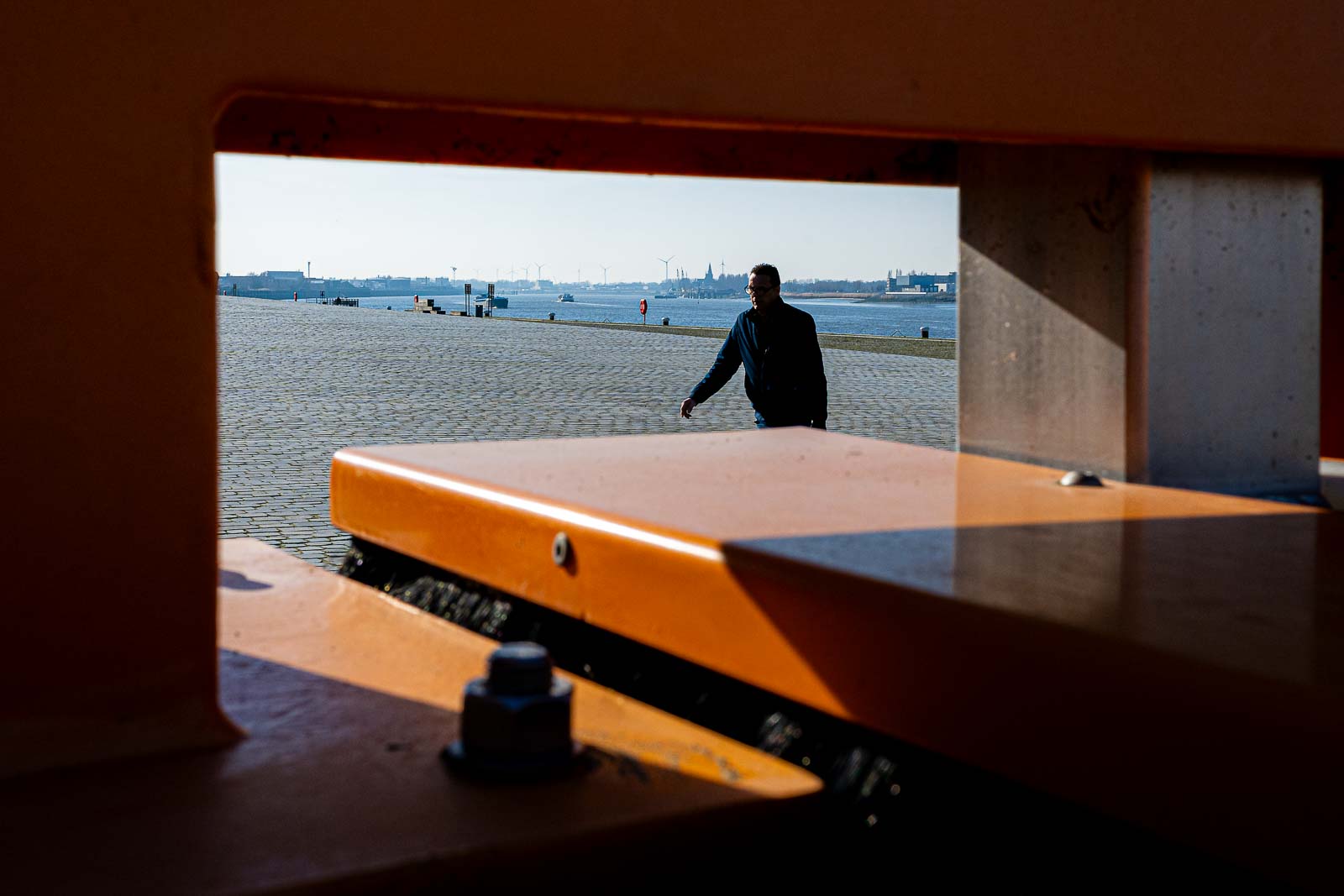
Walking the streets with my camera, I’m constantly looking for ways to make my subjects stand out from the urban chaos. Growth as an artist is a constant struggle, and trying to improve your compositions is a good and necessary reflex.
Read moreThe Best Camera Settings for Event Photography
Starting photographers are often curious about the exact settings professionals use in different scenarios. It makes sense because understanding these choices gives you a baseline to use whenever you find yourself in a similar situation.
Read more