
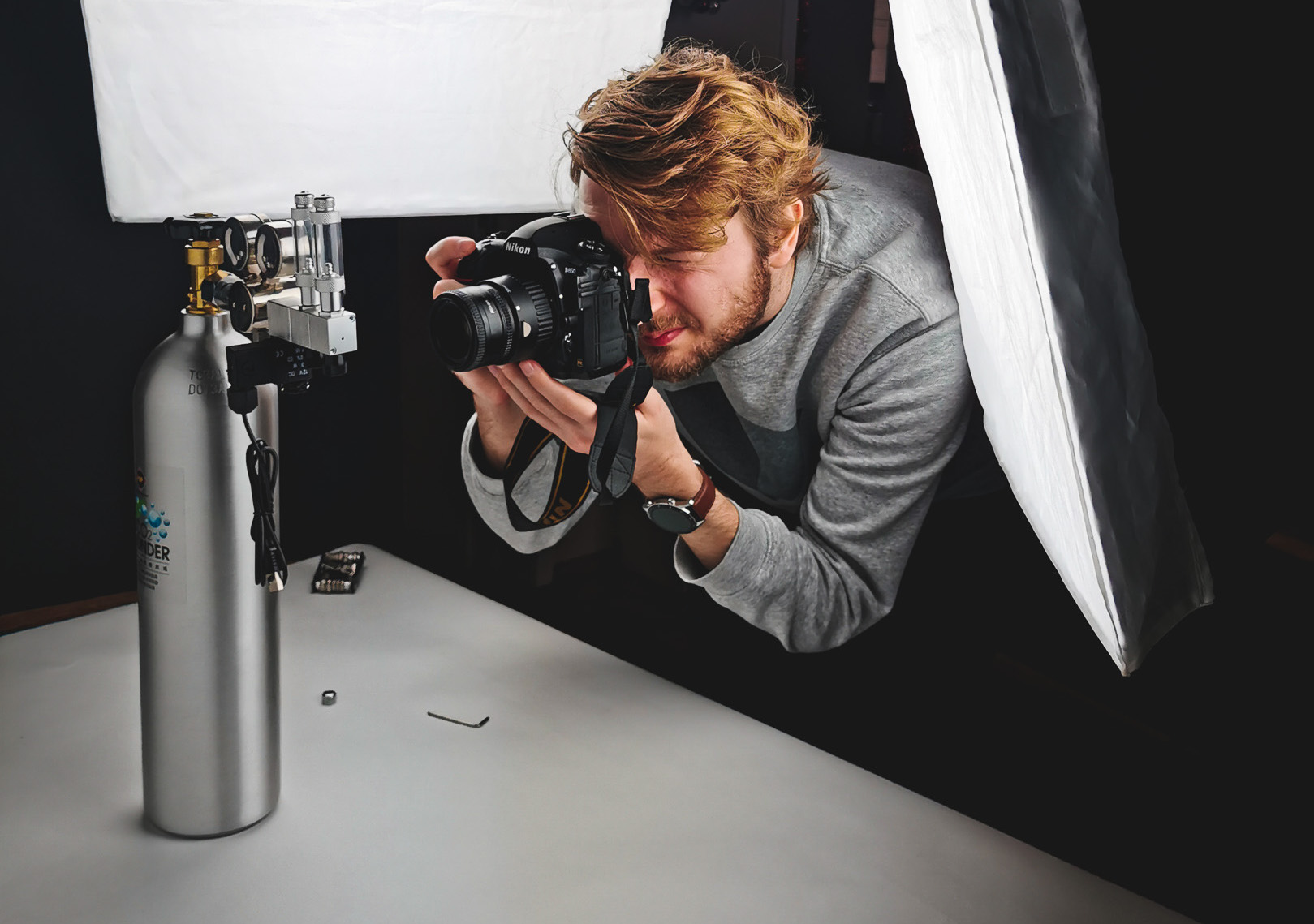
As a professional photographer, it is essential to market yourself. No matter the niche you are in, the reality is that good projects don’t just fall into your lap out of thin air. Yet, marketing yourself as a photographer isn’t always easy. What do you say in your content? How do you stand out?
There are millions of ways to handle professional photography advertising, and it all comes down to what you want to achieve and what actually resonates with your customers.
Now that we are well into 2026, the landscape has evolved, but the core principles remain the same. Let’s dive into the biggest marketing mistake I see in our industry, what you should be doing instead, and how to get photography clients fast.
What do professional photographers actually do?
If you ask someone outside the industry what photographers do, they might picture us just walking around beautiful locations, clicking a shutter, and magically earning a paycheck.
In reality, being a professional photographer is about 20% taking photos and 80% running a business. We are project managers, accountants, customer service reps, and above all, marketers.
Whether you are shooting professional photo shoots for advertising or local headshots, if you don’t know how to market yourself as a photographer, your camera will gather dust.
By marketing yourself effectively, you can gain clients. You can do this quickly by directing them straight to your inbox with a direct offer, or more slowly by building long-term brand awareness. However you look at it, mastering your marketing is essential to your success.
The big marketing mistake
The primary goal of marketing is to attract customers. As a photographer, that client can be anyone. For example, I focus on small to medium-sized companies that provide services to other businesses. Usually, my clients are marketing agencies, HR consultancies, and IT providers. For that reason, I aim my messages directly at them.
The biggest mistake I see many other photographers make is talking about what they know and think is interesting, rather than what the client needs.
I see websites and social media feeds filled with talk about EXIF data, the newest lenses, camera gear, strobe lights, and complex editing techniques.
Here is the harsh truth: the client does not care about those things. Only other photographers care about them.
If you’re a food photographer looking for local restaurants to become your clients, geeking out over your gear won’t help you. The restaurant owner wants to know how long it takes to photograph a dish, how it will make their menu look irresistible, and how much it will cost them. They do not care what aperture you used to get the perfect depth of field on a gyoza.
Unless you sell knowledge, presets, or courses to other photographers, they are just not your target audience. Aim your marketing material at what your client finds exciting, and you’ll get a whole lot further.
How to find the target audience for photographers
Before you spend a dime on advertising or a minute on social media, you need to define who is actually paying you.
- B2B (Business to Business): Are you shooting professional photography for marketing campaigns? Your audience is art directors, marketing managers, and business owners. They care about ROI, brand consistency, and meeting deadlines.
- B2C (Business to Consumer): Are you a wedding or portrait photographer? Your audience is everyday people. They care about emotion, feeling comfortable in front of the camera, and trusting you with their memories.
Once you know who they are, you can tailor your messaging to solve their specific problems.
How to get photography clients fast: 3 actionable steps
If you are wondering how to promote yourself as a photographer and get the ball rolling quickly, here are three actionable steps you can take today:
1. Optimize your digital storefront
When someone searches for “marketing photography near me,” you want to be the first result. Ensure your Google Business Profile is up to date, your website clearly states where you are located (e.g., Antwerp, Brussels), and your portfolio highlights the exact type of work you want to be hired for.
2. Solve a problem through pitching
Don’t just wait for emails; send them. Find local businesses whose current visuals are lacking. Send a short, polite email offering a specific solution. For example: “I noticed you’re launching a new menu next month. I specialize in food photography that drives delivery orders. I’d love to shoot a few signature dishes for you.”
3. Leverage your existing network
Word of mouth remains king. Reach out to past clients and remind them you’re still around. Offer them a small incentive for referrals. A simple email checking in on how their previous campaign performed can easily lead to a new booking.
Creating promotional materials for photographers
When we talk about marketing materials for photographers, it’s easy to default to just printing business cards. But effective promotional materials need to be much more strategic.
Instead of just showing pretty pictures, your materials should prove your value:
- Case studies: Show a “before and after” of a client’s website using your images. Explain the problem they had, how your shoot solved it, and the results they saw.
- Behind-the-scenes (BTS) content: Show yourself working efficiently on set. This proves to commercial clients that you are professional, organized, and won’t waste their time.
- Clear pricing guides (or starting rates): Ambiguity kills conversions. Having a cleanly designed PDF that outlines your process and baseline costs helps qualify leads before they even get on the phone with you.
Marketing yourself doesn’t have to be overwhelming. Stop trying to impress your peers with your technical knowledge; start focusing on the actual needs of your target audience, and you will see your calendar fill up.
3 thoughts on “How to market yourself as a photographer: The biggest mistake to avoid”